
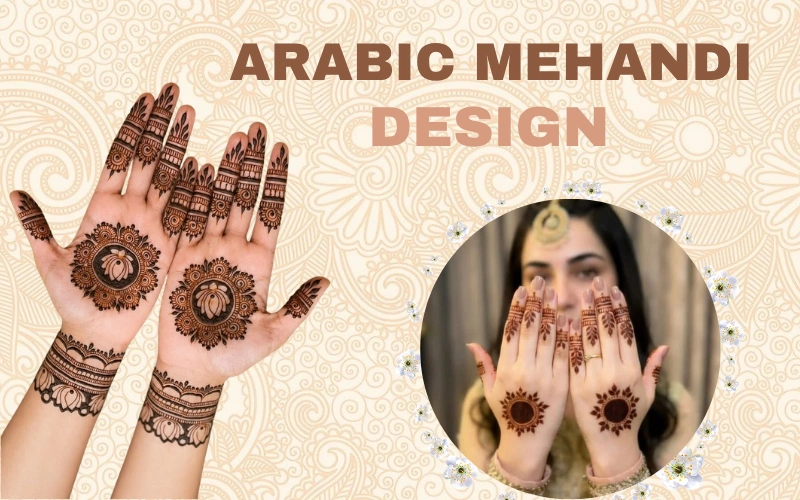
The best Arabic Mehandi Design for you comes down to bold, open floral patterns with generous negative space rather than dense coverage, and 2026 is pushing this style further into architectural, minimal territory than ever before.
Quick Stats Table – Arabic Mehandi Design at a Glance
| Detail | Information |
|---|---|
| Core style features | Bold florals, curved vines, generous negative space |
| Best time to apply | 1–2 days before your event |
| Average application time | 30–60 minutes for most patterns |
| Average stain darkening time | 24–48 hours after removal |
| Trending 2026 sub-style | Minimalist back-hand design with a single central mandala |
| Reported search growth | Back-hand mandala style up 68% in Pinterest searches this year (2026) |
| Popular fusion trend | Arabic florals layered with Mughal jaali lattice work |
| Global henna market | Projected to reach $951 million by 2033, growing at roughly 7.56% a year |
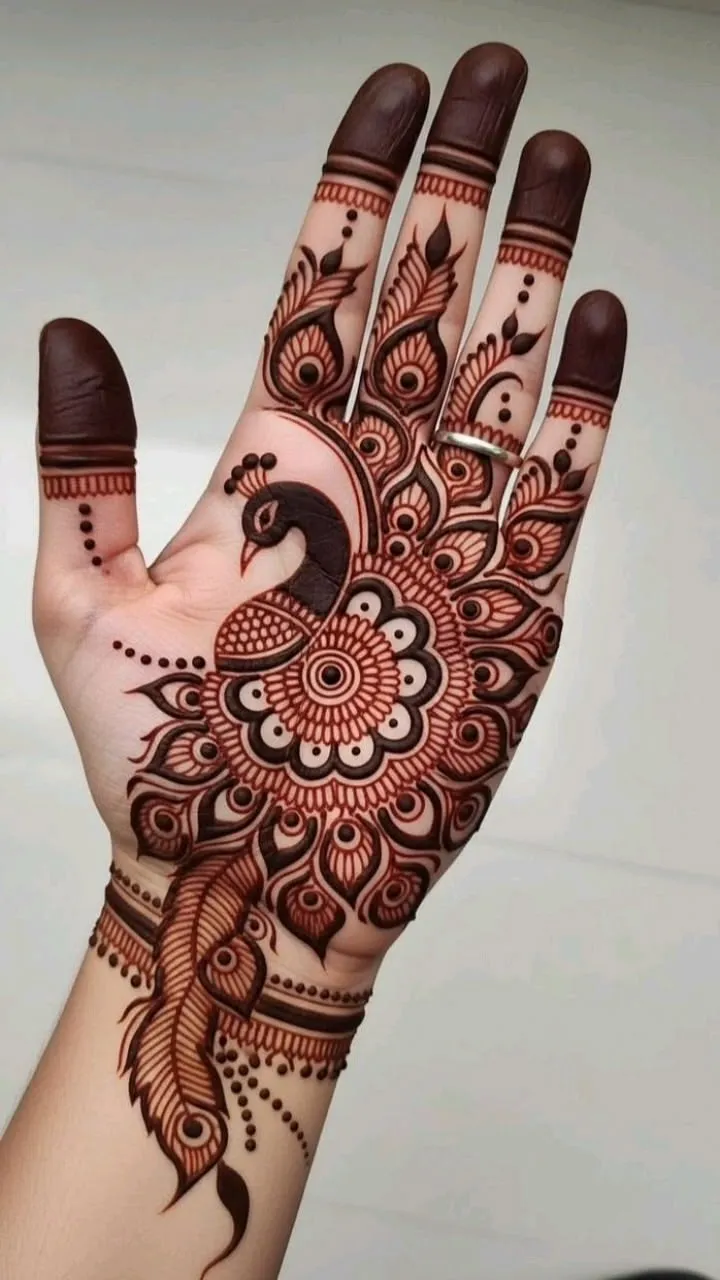
What Is Arabic Mehandi Design, Really
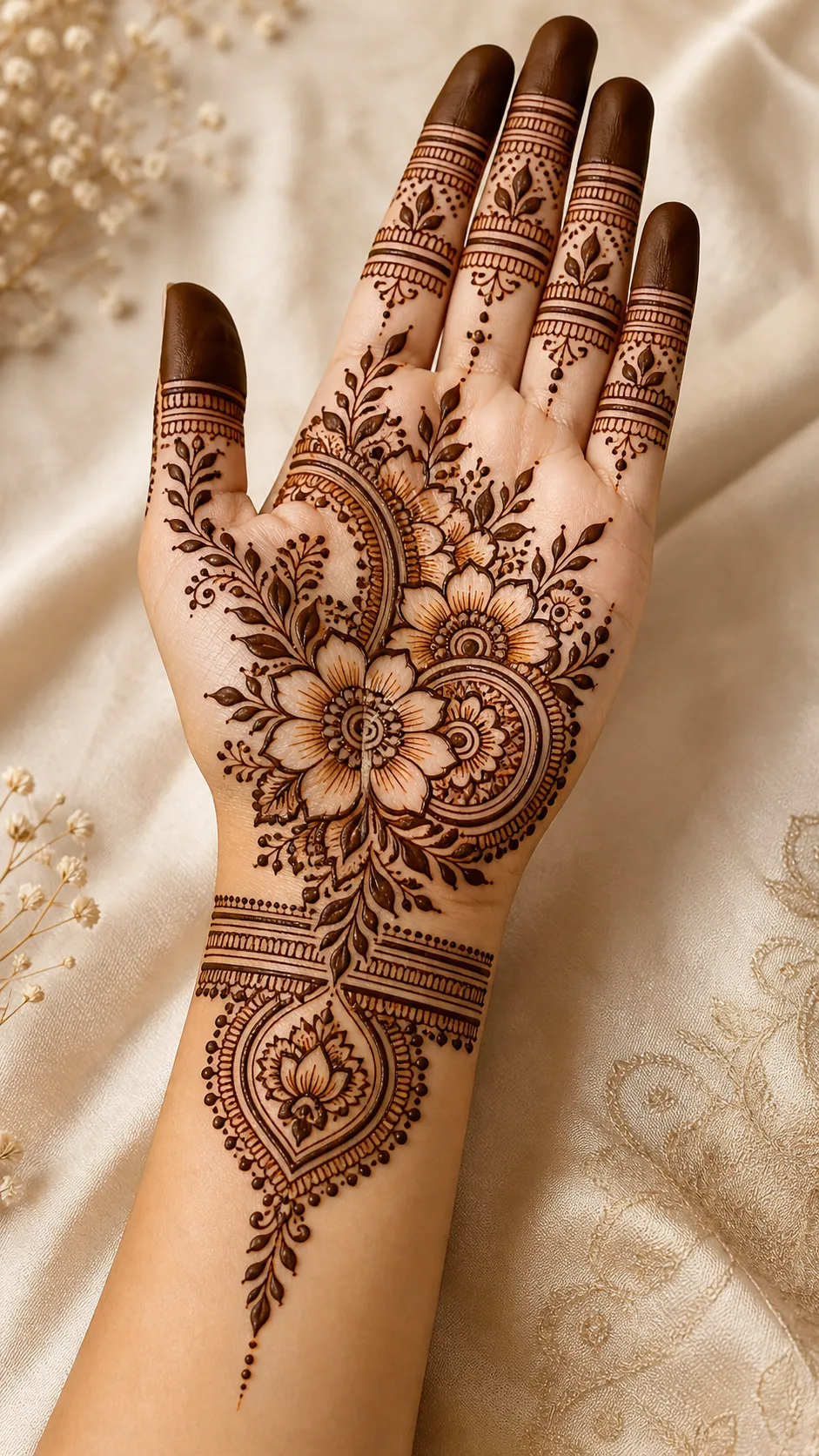
If you have ever compared an intricate, fully-covered Indian bridal hand to a henna pattern with big, bold flowers and a lot of visible skin between them, you have already spotted the difference an Arabic Mehandi Design brings to the table. Unlike traditional Indian mehandi, which tends to fill nearly every inch of the hand with fine detail, Arabic-style henna leans into scale and space. The motifs are bigger, the lines are bolder, and the empty skin between each flower or vine is treated as part of the design, not a gap to be filled in.
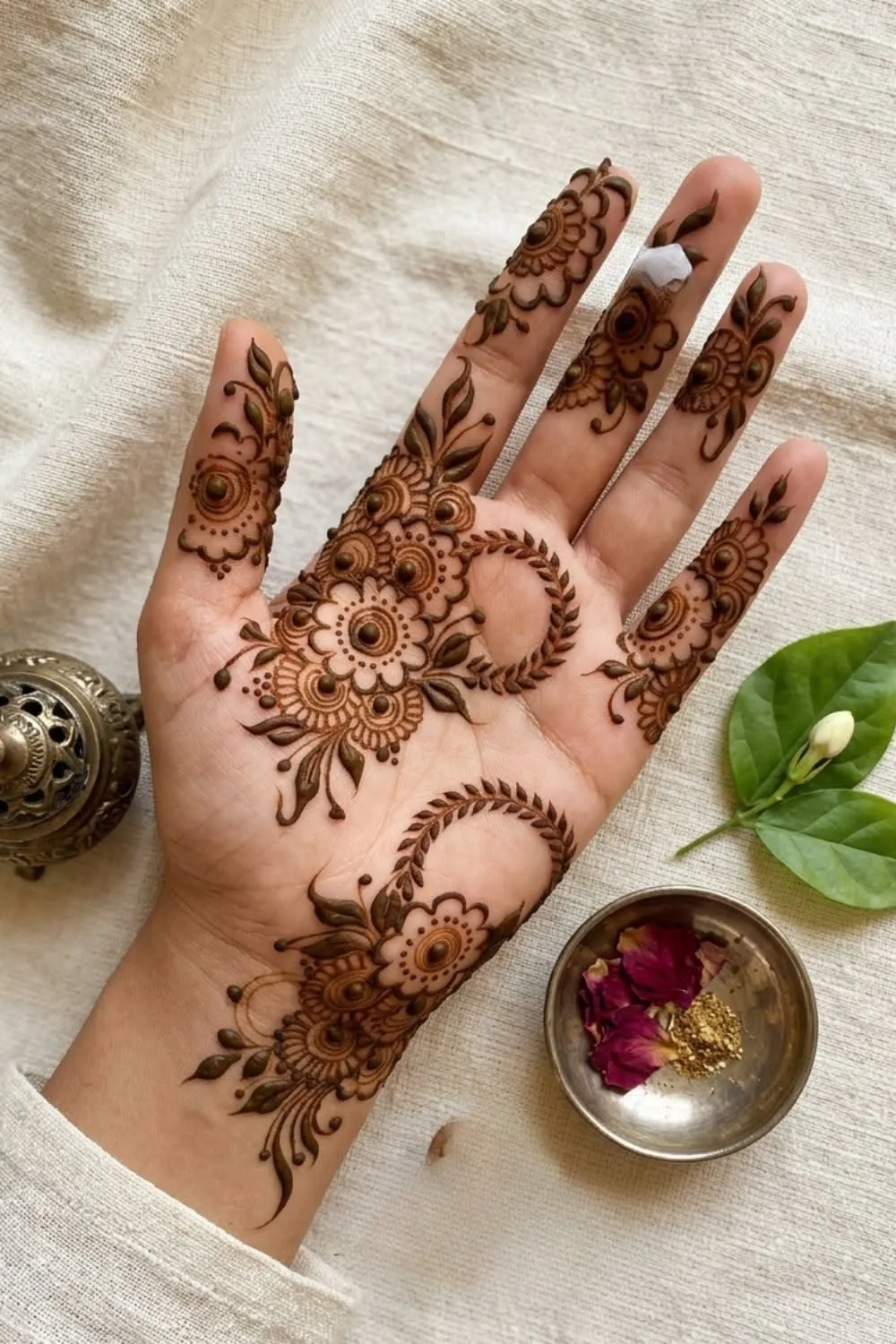
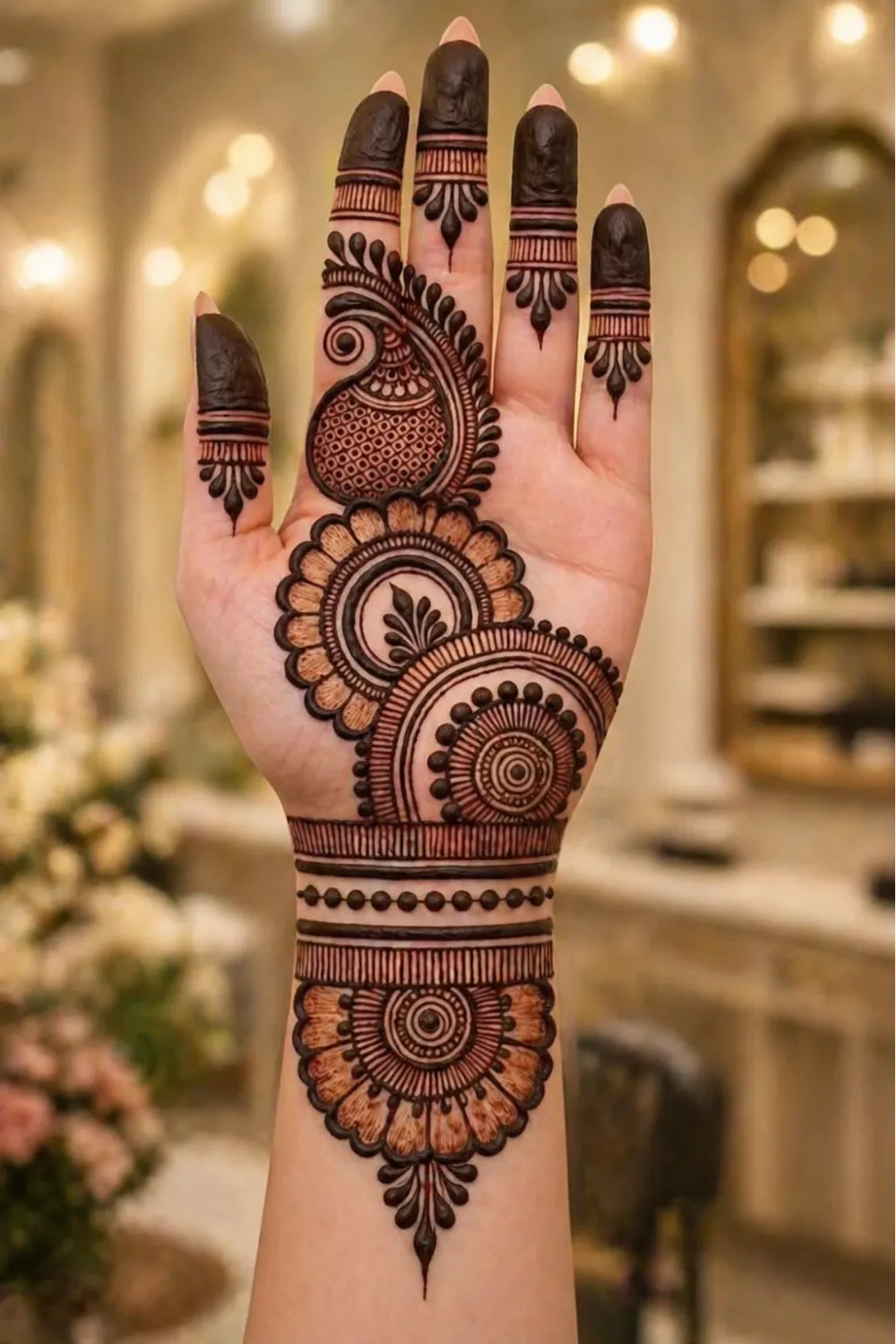
Arabic Mehandi Design Trends for 2026
Arabic Mehandi Design Styles
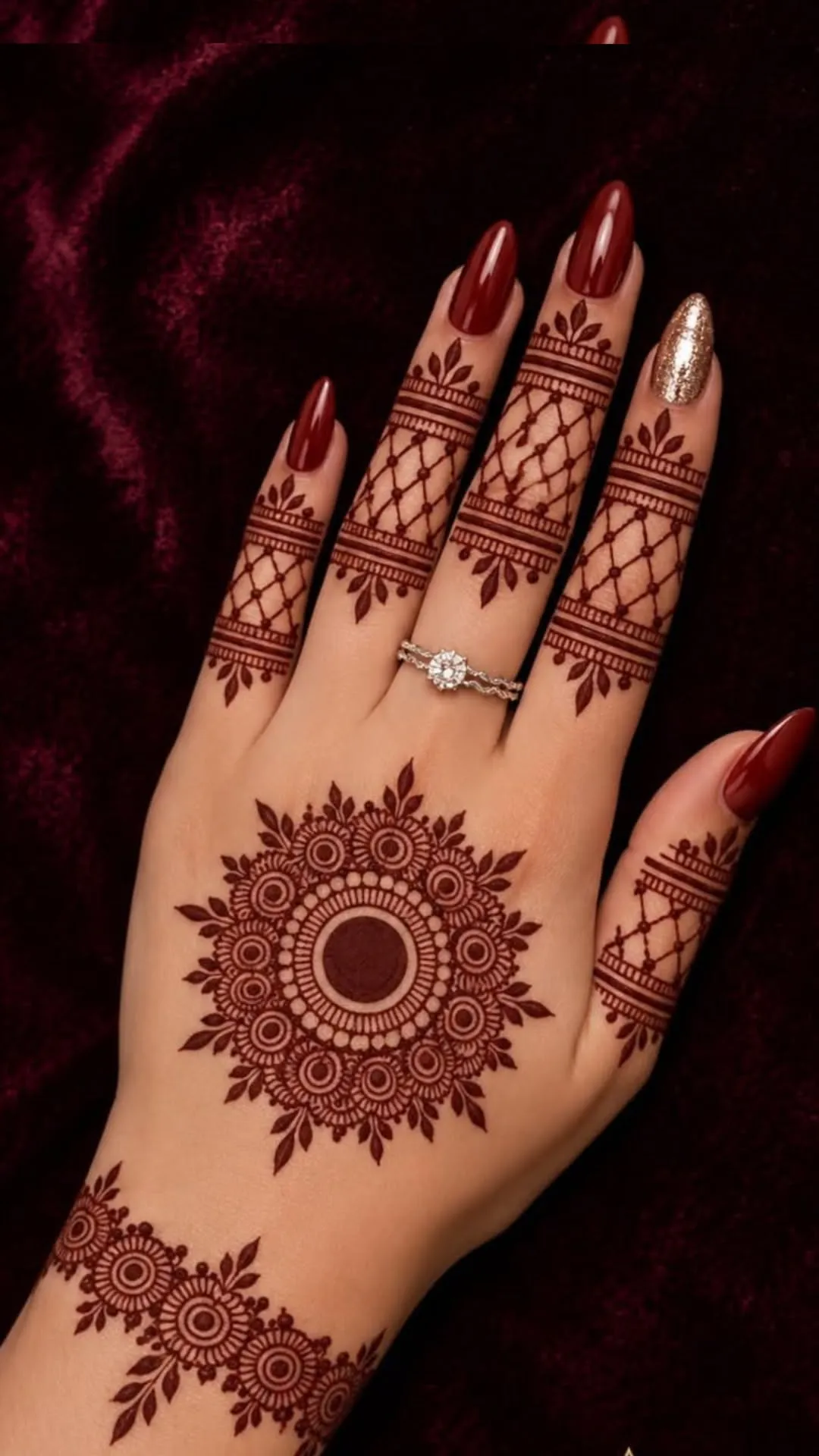
This Arabic Mehandi Design photographs beautifully, pairs well with sheer sarees and modern lehengas, and takes a fraction of the time a full-coverage bridal pattern would need.
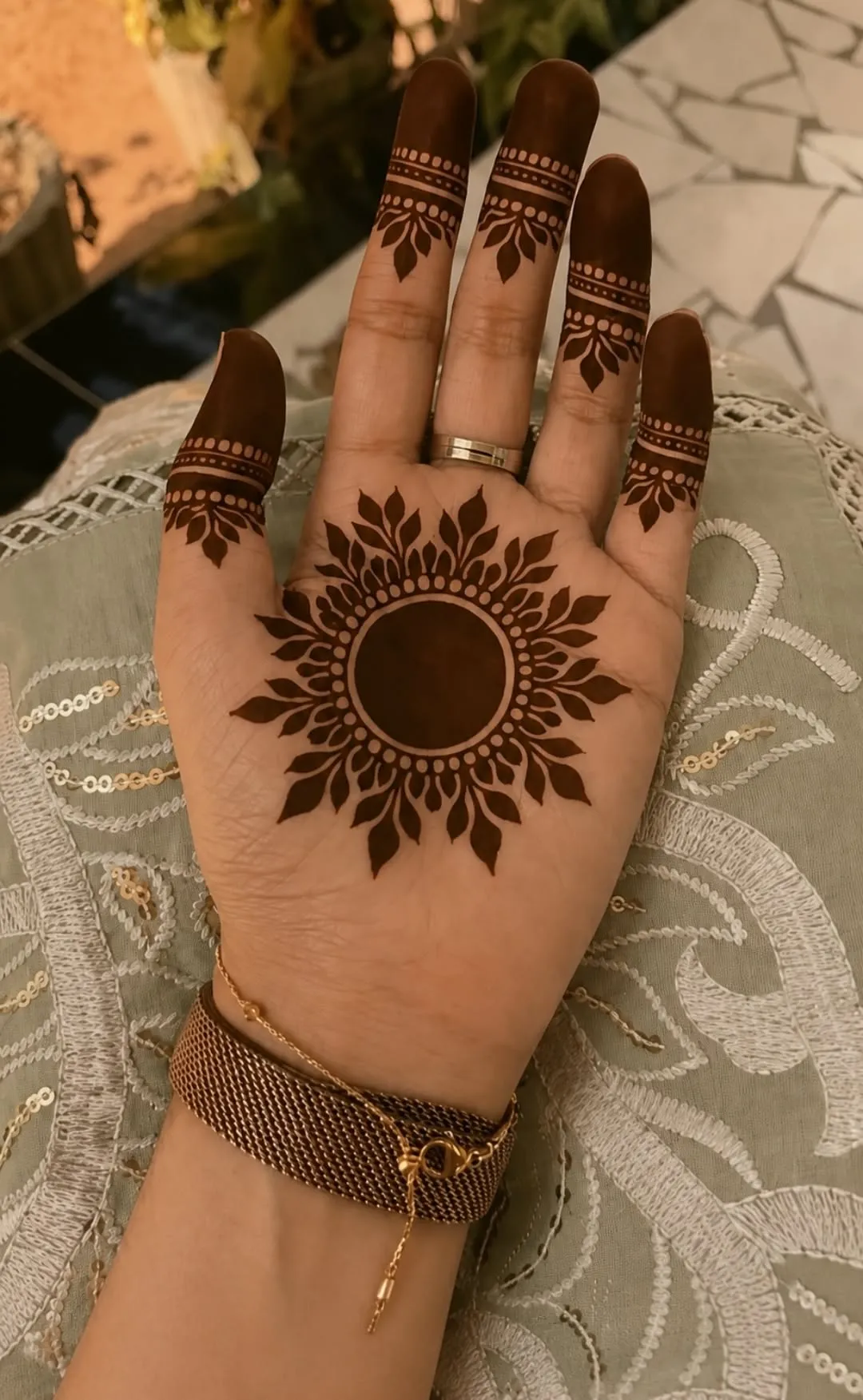
Minimalist Back-Hand Mandala – The 2026 Breakout Arabic Mehandi Design
This Arabic Mehandi Design style combines bold Arabic floral motifs with Mughal-inspired jaali lattice detailing, often running from the fingertips all the way to the elbow.
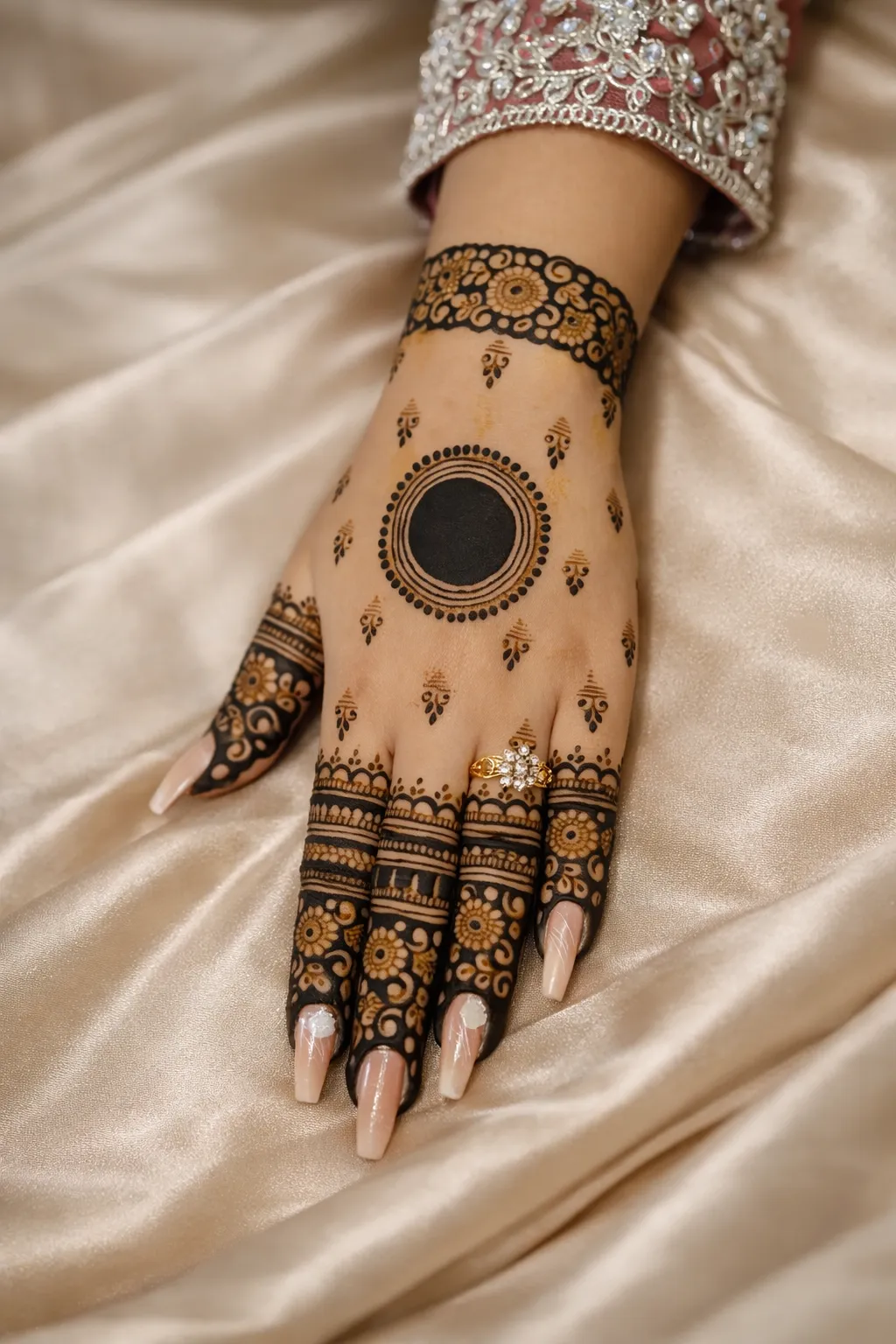
Bridal Full-Sleeve Arabic-Mughal Fusion – The Show-Stopper Arabic Mehandi Design
For brides who still want maximum drama, 2026’s answer is not a return to fully-filled traditional jaali work, but a fusion approach. This Arabic Mehandi Design style combines bold Arabic floral motifs with Mughal-inspired jaali lattice detailing, often running from the fingertips all the way to the elbow.
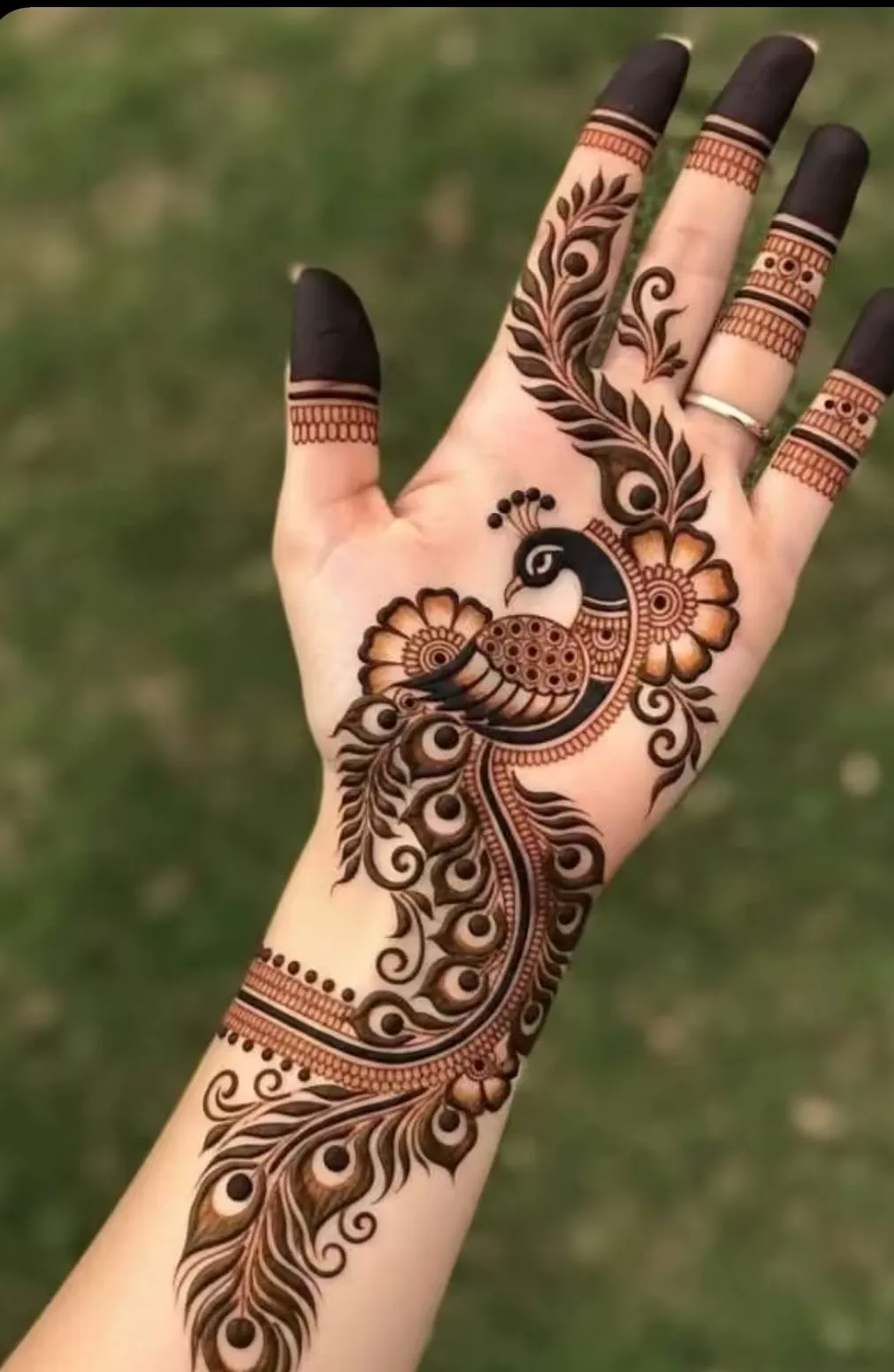
Jewellery-Style Arabic – The Regal Arabic Mehandi Design
Designed to mimic the look of bangles, rings, and layered jewellery, this Arabic Mehandi Design style has become especially popular among younger brides who want a “regal but minimal” statement.
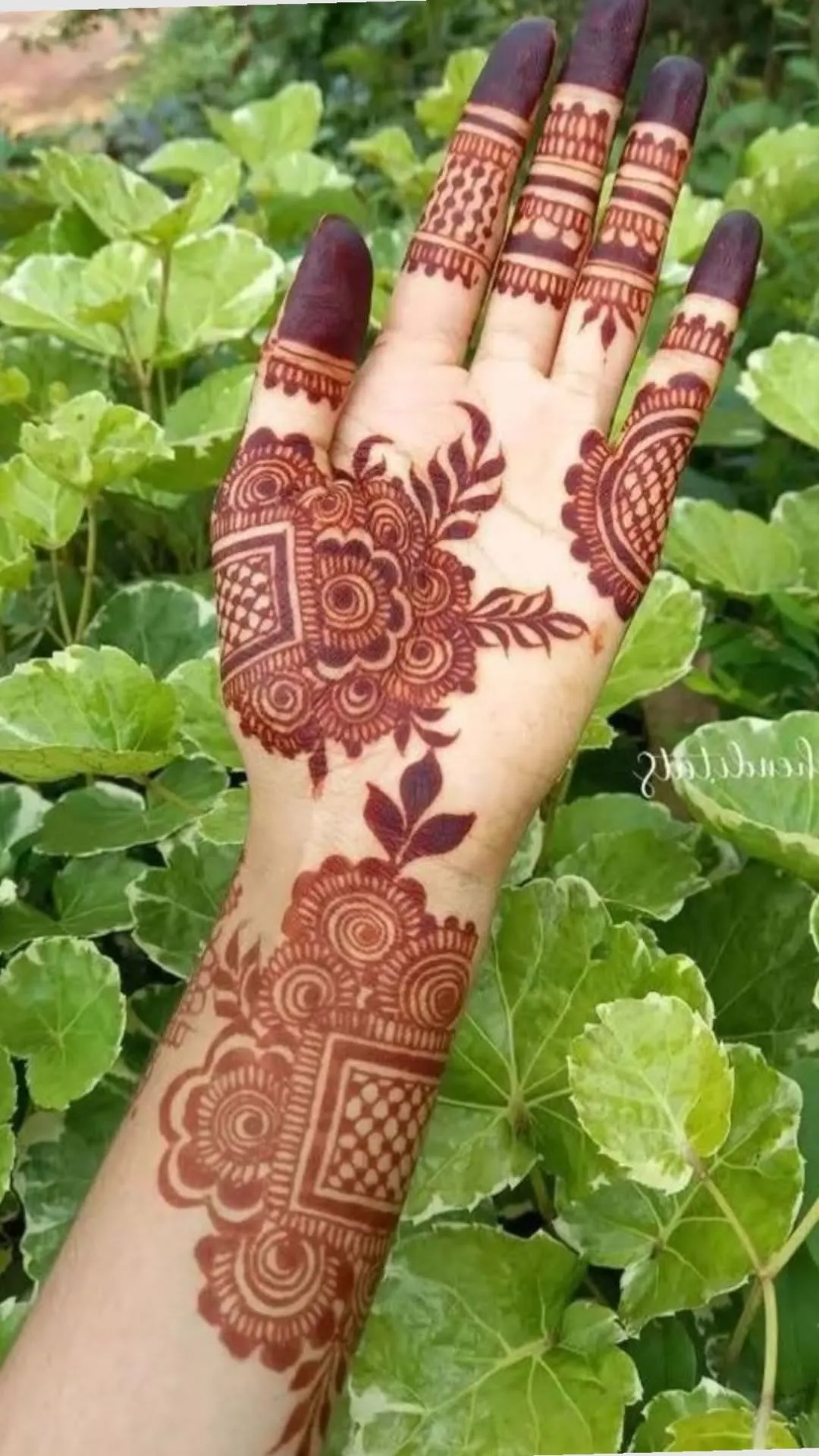
Geometric Arabic – The Modern Arabic Mehandi Design
Sharp triangles, hexagons, and diamond shapes replace the usual curved florals in this less conventional take on Arabic Mehandi Design.
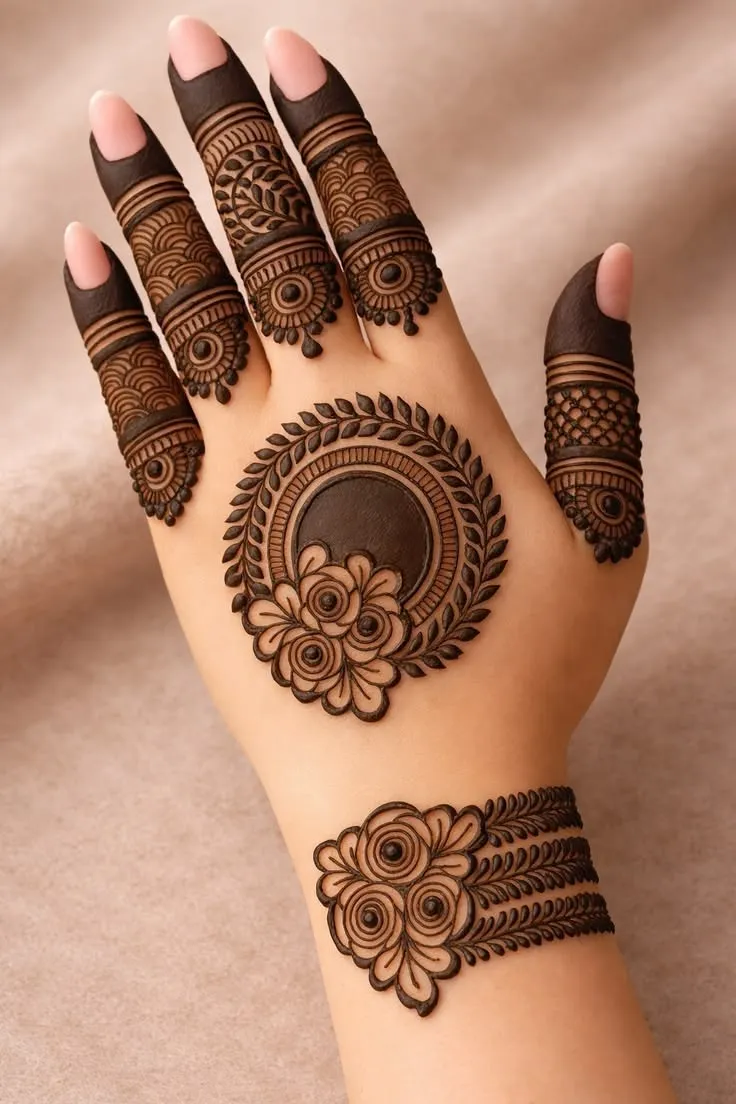
This is probably the most recognisable version of an Arabic Mehandi Design, and for good reason.
Read More:
- Try Simple Design
- Back Hand Mehndi Design
- Front Hand Simple Mehndi Design
- Simple Mehndi Design
- Easy Mehndi Design
- Karva Chauth Mehandi Design
Conclusion
Choosing the right Arabic Mehandi Design really comes down to three honest questions: how bold do you want your hands to look, how much time do you have, and how soon do you need your hands back to normal daily use. Floral vine trails give you a strong, fast look. The minimalist back-hand mandala is 2026’s breakout style for anyone who wants something clean and photogenic. Bridal full-sleeve fusion patterns bring maximum drama for big events. And jewellery-style or geometric Arabic patterns offer something a little different for anyone who wants to stand out. Whichever Arabic Mehandi Design you land on, applying it a day early, letting it dry fully, and skipping water for a few hours afterward will make the biggest difference to how it actually looks by the time your event arrives.
Explore more fun blogs at Masteryhairstyle
